Need termite treatment in Coral Gables?
Send a short note about what you are seeing, or request an estimate. A provider in our network can follow up. Richforgotten Pest Control is a referral service and does not do the work.
No obligation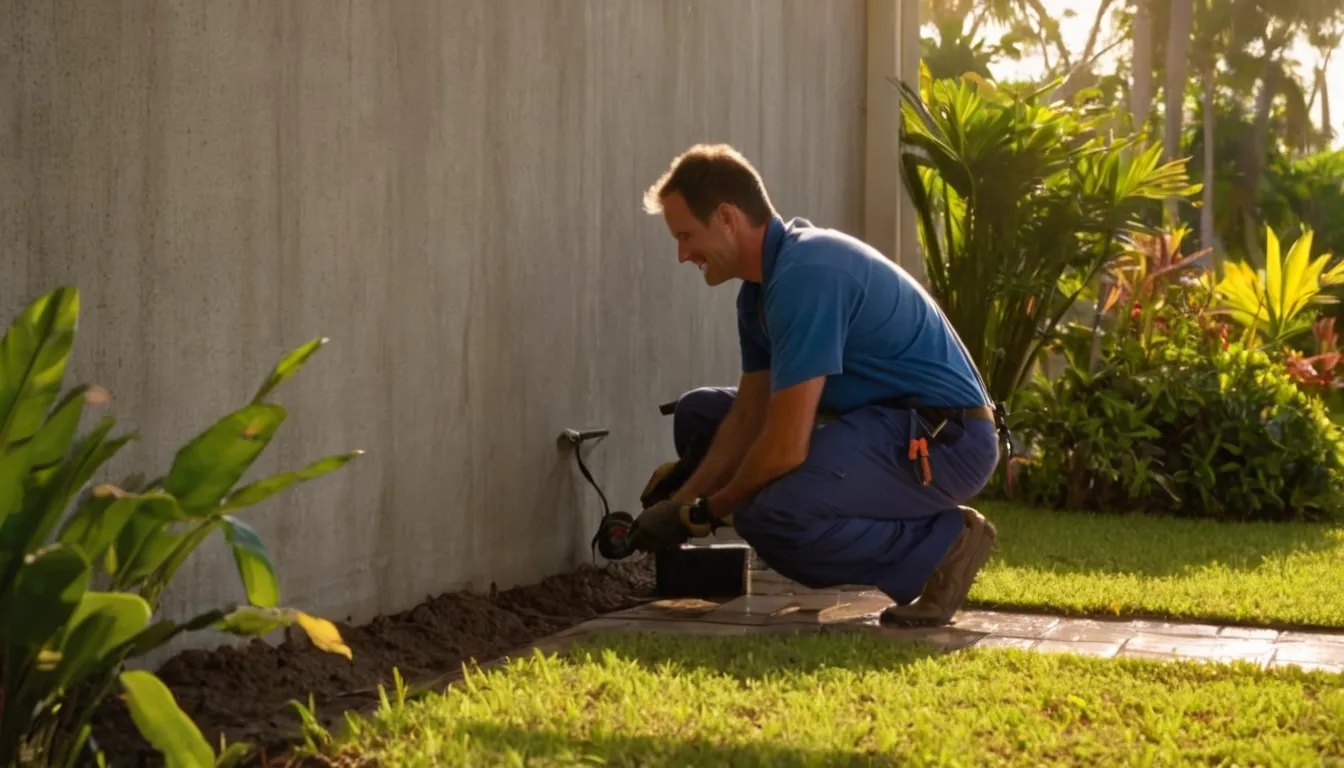
Request a termite estimate
Say you find a small pile of wood-colored specks under a window, or a cluster of tiny winged insects by the door after a storm. Those can be early termite clues. Termites work out of sight, so the sooner a trained provider takes a look, the smaller the job tends to be.
Richforgotten Pest Control is a referral service. We do not treat homes. We help you reach an independent local provider in our network, so you spend less time searching. In the Coral Gables area, warm weather and high humidity keep termites active most of the year. This page walks you through the signs, the treatments and what to ask.
Say you are moving a bookcase and the baseboard behind it looks bubbly, almost like old paint. You press it and it dents. That small moment is often how homeowners first meet termites.
If something looks off, take a photo and write down where you saw it. Then reach out to a provider. Less searching, sooner help.
Termites eat wood from the inside. A colony can chew day and night while the surface looks fine.
Say you notice a sticky door and shrug it off. A few months later the frame crumbles when you repaint. A quick check at the start is usually far smaller than a repair at the end. Catch it small.
You do not need special tools for a first look. Walk the outside and inside of your home and watch for these:
Concrete block homes on slabs give termites a path from the soil to the wood. Mud tubes look like thin brown lines climbing the wall. Do not scrape them off before a provider sees them.
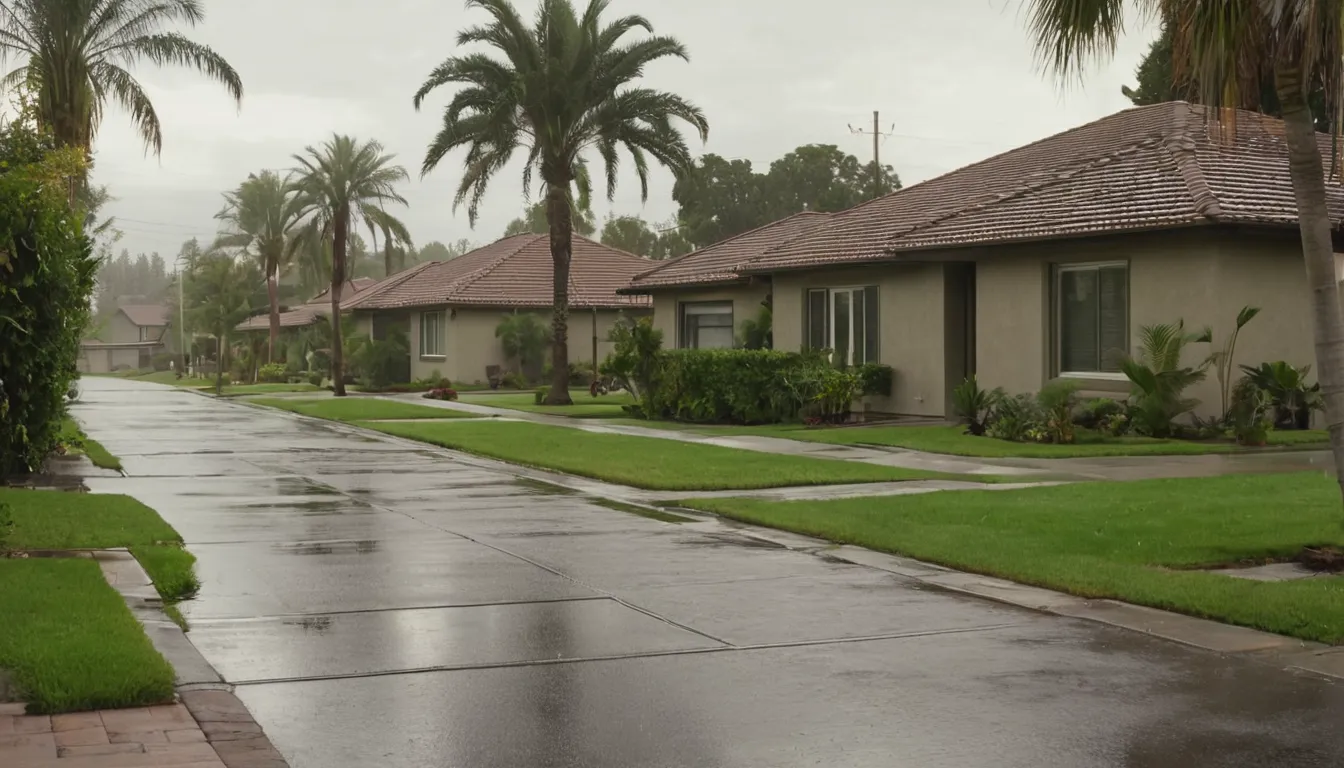
Say a warm evening rain passes and the next morning there are small winged bugs near a window. Those may be swarmers, young termites looking for a new home. Ants also have wings, so a provider can tell you which you have.
Gently tap door frames, window trim and attic beams with a screwdriver handle. A papery, hollow sound is worth a closer look.
Not all termites live the same way. The type decides the treatment, so it helps to know the basics.
These nest in the soil and travel up through cracks or mud tubes. They like moisture, which makes humid, rainy regions a good fit for them.
These live inside the wood itself and need very little water. Their clue is often tiny, hard pellets dropped from small holes in wood.
Treatment has a few steps, and a good provider explains each one before starting.
The provider looks at the foundation, attic, trim and any damp spots. Expect questions about when you first noticed signs. You should get a clear answer on what was found and where.
For soil termites, a provider may treat the soil around the home so the insects cannot pass through. Slab homes can need drilling along the edge, so ask how access will work.
Bait systems sit in the ground around the home. Termites carry the bait back to the colony. This method takes longer but uses less liquid.
A small drywood problem may be treated in one area. A bigger one may call for whole-structure fumigation, which means leaving the house for a few days. Your provider will explain the prep.
Say you are buying a home, or selling one. Lenders and buyers often ask for a written termite inspection. It is a short report that notes any signs of activity or past damage. If activity is found, treatment can often be arranged before closing. Ask the provider what the report covers.
Picking someone for a first-time problem can feel confusing. A few plain questions help.
Compare more than one written quote if you can. Wide price gaps are a reason to ask more questions.
Treatment is not the finish line. Keep an eye out for new signs over the next months. Fix leaky gutters, keep soil and mulch away from the foundation, and store firewood away from the house. Many homeowners add yearly checks, especially in damp climates. If your provider found damage, ask about repairs, and check your policy, since many policies exclude termite damage.
A small sign is still a good reason to ask. Request a callback to check provider availability, or send a request and let a local provider take it from there.
A provider checks the foundation, trim, attic and damp areas to find where termites are active.
You get a written plan that names the method, the areas treated and the steps.
Soil barriers or bait stations can stop colonies from reaching the wood in your home.
Many providers offer return visits so new activity can be spotted and handled early.
Prices vary by home size, termite type and how far the damage has spread. These are typical U.S. ranges only. Always get a written quote before work begins.
| Service | Typical range | Notes |
|---|---|---|
| Termite inspection | $75 – $300 | Often needed for home sales |
| Spot treatment | $250 – $900 | Small, local drywood areas |
| Liquid soil barrier | $1,200 – $3,000 | Depends on linear feet around the home |
| Bait station system | $1,500 – $3,500 | Usually includes monitoring visits |
| Whole-structure fumigation | $1,500 – $4,500 | Size and access change the price |
| Yearly monitoring plan | $200 – $600 | Renewal terms vary by provider |
Describe the mud tubes, wings or soft wood, and where in the home you found them.
Richforgotten Pest Control points you to an independent local provider in our network.
The provider inspects and explains the findings, treatment choice and written price.
The provider does the work. You ask follow-up questions and plan later checks.
Skip the long search. Reach an independent local provider in our network with a simple request.
Short explanations help first-timers understand signs, treatments and questions before talking to anyone.
Providers in our network know how humid, storm-heavy weather and block-and-slab homes affect termites.
Ask for an estimate and decide later. You choose whether to move forward.
Send a short note about what you are seeing, or request an estimate. A provider in our network can follow up. Richforgotten Pest Control is a referral service and does not do the work.
No obligationTermites have straight antennae, a thick waist and wings of equal length. Flying ants have bent antennae and a pinched waist. If you are unsure, save a few and ask a provider to look.
Providers use products made for homes and follow label rules. Ask what will be used, how long to stay away from treated areas, and what prep is needed for kids, pets and food.
Many policies exclude termite damage because it is seen as preventable. Some may cover sudden damage from other causes. Check your policy, and ask a provider to help document damage for a claim.
Send a short note about what you are seeing, or request an estimate. A provider in our network can follow up. Richforgotten Pest Control is a referral service and does not do the work.
No obligation